How to Use a PTO Calculator to Manage Vacation Pay With Examples

Streamlined reporting also makes it easier to track expenses and liabilities, contributing to more informed financial decisions. Consider exploring managed accounting services for further support in optimizing your financial processes. All four of these conditions must be met for accrued vacation time to be recognized as a liability under ASC 710. For a more comprehensive understanding of these conditions and how they apply in practice, consider exploring FinOptimal’s managed accounting services.
How Does a Use-It-or-Lose-It PTO Policy Work?
An agency cannot require an employee to use annual leave when the agency has placed the employee on extended excused absence (e.g., in cases where adverse actions are being pursued by the agency). However, being placed on extended excused absence does not relieve an employee of the responsibility to schedule annual leave that would otherwise be forfeited. If the employee fails to schedule (i.e., request in writing) the use of annual leave that would otherwise be forfeited, the agency cannot restore it to the employee. If an employee schedules (i.e., makes a written request to use) annual leave, and the agency accrued vacation denies the request, the agency is required to restore the annual leave. Yes, PTO payout is considered taxable income by the IRS and is subject to federal income tax, Social Security, and Medicare taxes, just like regular wages.
- Colorado does not have a state law that requires employers to provide paid vacation time to their employees.
- PTO calculators help ensure that employees are credited for time earned and calculate accrual balances for payouts when someone leaves the company.
- States with mandatory paid sick leave laws often prohibit waiting periods for paid sick leave accrued under the law, but vacation time is usually not affected.
- Below, we look at different ways of calculating accruals, explain how to handle rollovers, and answer some commonly asked questions.
- For example, some employers require employees to work 1,000 hours before they can start accruing vacation time.
When Can Deductions Be Made From an Exempt Employee’s Salary?

PTO payout is typically calculated by multiplying the number of unused PTO hours by the employee’s current hourly rate or final pay rate at the time of separation. For salaried employees, the calculation divides the annual salary by the number of working hours in a year to determine an hourly rate, which is then multiplied by unused PTO hours. Employers should check state laws and company policy to ensure they’re using the correct calculation method and pay rate. Whether a company has to pay employees for unused vacation time depends on state laws and the company’s policies. Some states require employers to pay for unused vacation upon termination, treating it as earned wages. However, in other states, employers may implement policies that limit or eliminate payout for unused vacation.
- Because of this, salaried workers typically earn vacation accrual for every certain number of days worked.
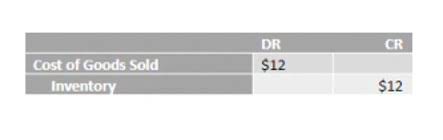
- When employees use their accrued vacation pay, this results in a reduction (a debit) of the accrued wages liability account.
- While PTO payout laws vary significantly by state, certain exceptions commonly apply across different jurisdictions.
- This decrease in cash is recorded as a credit entry in the cash account.
- An employer will need to accrue the compensated vacations if the following conditions are fulfilled.
Are there differences in vacation accrual policies for remote or international employees?
Companies may want to set accrual rules on an employee-by-employee basis, taking into account factors such as the employee’s tenure and level of service. For example, more tenured employees may accrue PTO more rapidly than newer employees. However, if a sabbatical is based on prior services rendered, the employer should accrue the cost of the sabbatical during the required service period. This is a key consideration for companies that offer sabbaticals as a benefit to their employees.

- If properly granted, the employee has up to twelve additional months to take or claim it.
- Employers are permitted to require that leave be used in increments (e.g., 15 minutes, 1 hour, etc.) but may not set the minimum increment at more than 4 hours.
- For example, an employee earns one hour of paid time off for every 20 hours worked.
- However, this policy can also be stressful if your team has a busy year and can’t manage to take all of the earned vacation days.
- When time off is managed clearly and consistently, employees feel respected and motivated, and businesses benefit from smoother operations and higher productivity.
- Accrued leave has several advantages for both employees and employers.For employees, it means getting paid time off to relax, handle personal matters, and spend time with family.
Some states and local jurisdictions explicitly prohibit “use-it-or-lose-it” PTO policies. In such cases, employers must generally allow employees to carry over accrued, unused PTO from year to year or pay them for the remaining balance at year’s end. Employers may also be required to pay out any accrued, unused PTO when an employee leaves the organization.
With accrued vacation time, employees earn (or accrue) time off based on how much time they work. Depending on the situation, businesses may calculate vacation pay accrual based on pay periods or based on the number of hours worked. In https://inhouseitsupport.co.uk/accrue-synonyms-33-similar-and-opposite-words/ California, employers are required to pay out any accrued but unused vacation time as part of the employee’s final paycheck upon termination, as it’s considered a part of the earned wages. This is a specific example of how termination settlement can be affected by local labor laws. Accrued vacation, representing your employees’ earned but unused time off, is a significant financial obligation.
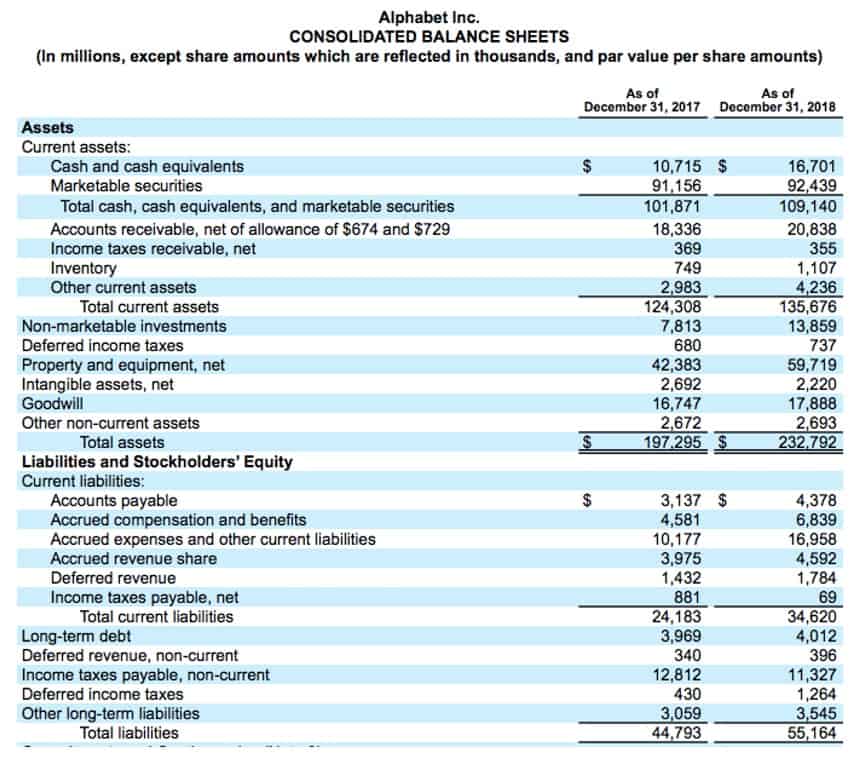
This article offers valuable insights into how vacation pay affects financial statements. For help streamlining your financial reporting, consider FinOptimal’s managed accounting services. “Use it or lose it” vacation policies Retained Earnings on Balance Sheet significantly impact how businesses manage accrued vacation time.
Leave a Reply